Revolutionize Your Outdoor Setting: Professional Landscaping Guidance for an Exceptional Home Garden
Transforming an outdoor space into a beautiful residential landscape involves thoughtful design and thoughtful execution. el cajon top Hardscaping By evaluating the unique characteristics of a yard, individuals can establish definitive garden objectives. Choosing vegetation appropriate for the local climate is essential. Additionally, adding practical hardscape features improves both aesthetics and functionality. However, the process doesn't stop there. Discovering how to maintain beauty and ecological balance can elevate any outdoor space to the greater heights. Which approaches will result in lasting success?
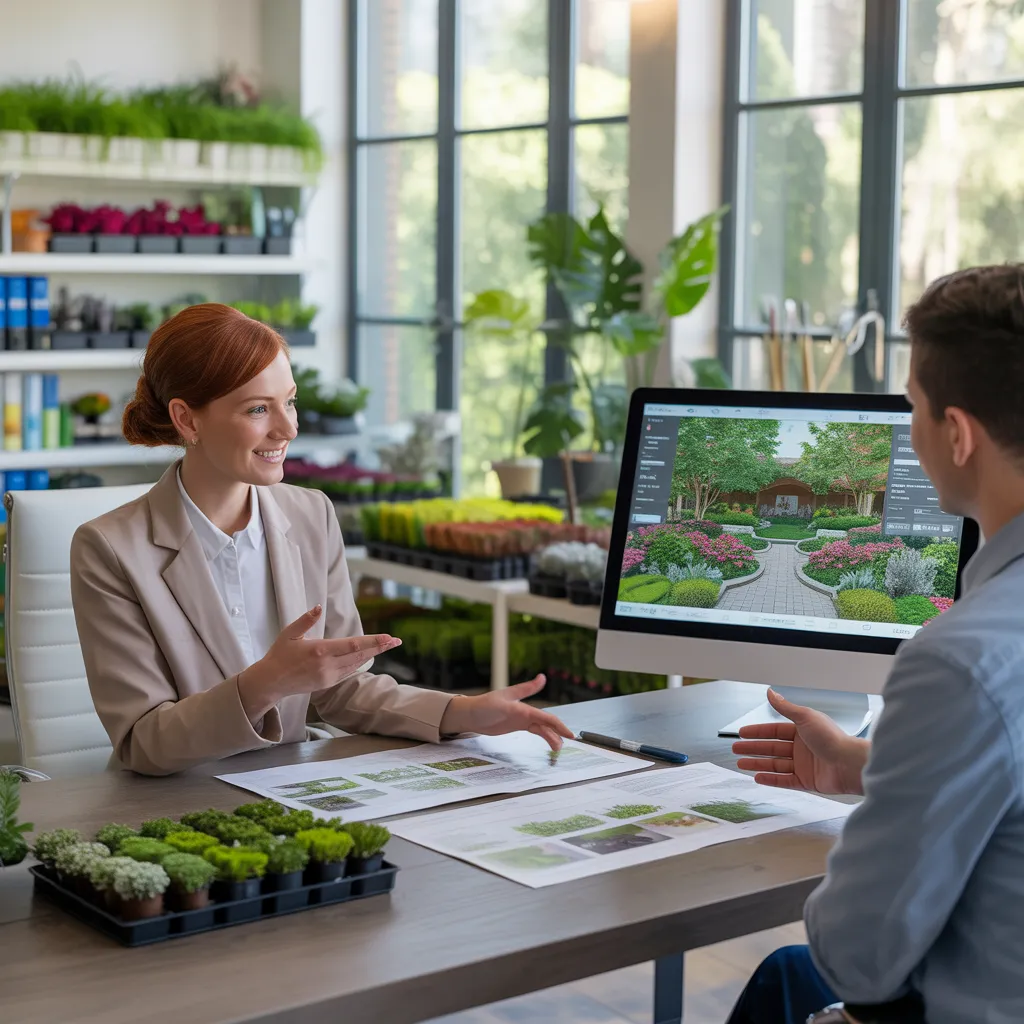
Assess Your Space to Define Your Landscaping Goals
Before starting on any landscaping project, it is essential for property owners to evaluate their exterior environment completely. This first assessment allows them to comprehend the unique characteristics of their yard, including light conditions, soil quality, and current plants. Determining these factors helps in deciding which design elements and features can be effectively integrated into the area.
Homeowners should record measurements and document any obstacles such as trees, barriers, or walkways that may affect the layout. Moreover, recognizing individual tastes and lifestyle needs—such as areas for entertainment, growing plants, or leisure—can direct the garden objectives. By clearly defining these goals, property owners establish a strong base for a unified and practical exterior space. This thoughtful assessment results in a greater and more rewarding landscaping project, ensuring that the outdoor space not just enhances the property's appearance but additionally meets the practical needs of its residents.
Determine the Perfect Plant Selection for Your Local Environment
Selecting the right plants for a particular region is critical for creating a flourishing exterior environment. Understanding regional climate conditions, including temperature ranges, precipitation, and humidity, helps homeowners choose vegetation that will thrive. Indigenous vegetation often adapt most effectively, needing less upkeep and irrigation. As an instance, water-efficient plants are ideal for arid regions, whereas water-preferring plants thrive in humid climates.
Gardeners should additionally consider seasonal changes; selecting vegetation that offers continuous appeal improves the landscape. Spring-flowering plants, warm-season vegetation, and vibrant fall foliage can create a striking visual display. Additionally, speaking with regional nurseries or horticultural resources can offer helpful information into hardy plant varieties suited to specific conditions.
Finally, a well-planned plant selection improves not only visual appeal but additionally promotes native fauna and advances ecological health, which makes it a smart decision for every outdoor space transformation.
Enhance Your Garden With Structural Outdoor Design Elements
Functional hardscaping elements prove essential in creating exterior layouts and increasing their functionality. By incorporating seating areas and well-designed pathways, homeowners can create charming outdoor spaces that encourage relaxation and movement. Additionally, borders can help delineate different zones within the garden, providing organization and visual interest.
Structure Your Outdoor Environment
Creating a carefully planned outdoor space can transform a garden into an welcoming sanctuary. One proven method to achieve this is through functional hardscaping elements, which create organization and layout. Walkways made from brick or stone guide visitors while adding visual interest. Retaining walls can establish layered heights, enhancing the garden's overall design and stopping soil loss. Fencing or trellises can delineate boundaries, ensuring seclusion and a sense of enclosure. Incorporating raised garden beds not only establishes growing zones but also improves accessibility. These elements function together to create distinct zones that enhance both aesthetics and functionality. Ultimately, a clearly organized outdoor space creates a peaceful setting where homeowners can unwind and appreciate the outdoors.
Incorporate Seating Areas
Incorporating seating areas into an exterior environment greatly improves its functionality and appeal. By adding practical hardscape features, homeowners can form inviting spots for rest, gathering, or appreciating the outdoors. Options include benches, patio sets, or hammocks, each contributing to the garden's aesthetic and comfort. Carefully positioning chairs near focal points, such as flower beds or water features, encourages users to engage with their outdoor environment. Additionally, using materials like stone or wood can complement the garden's design, maintaining design consistency. Protective coverings, such as pergolas or umbrellas, ensure relaxation during hot weather, making these areas usable year-round. Ultimately, carefully planned sitting zones transform an ordinary garden into a welcoming retreat for family and friends.
Design Pathways And Edges
Walkways and borders serve as essential features in outdoor landscaping, moving guests around the garden while boosting its design quality. These produce direction and arrangement, helping distinguish distinct areas and botanical selections. Stone, brick, or gravel selections can establish long-lasting pathways, and borders made with plants or decorative fencing enhance beauty. Exploration is inspired by routes, which direct eyes toward spots such as planted areas or aquatic installations. Properly maintained borders prevent weed invasion and soil loss, enhancing garden vitality. Adding pathways and borders boosts usability and elevates visual elegance in your outdoor space, creating spaces that are more inviting and satisfying.
Establish Flow With Pathways and Resting Places
A thoughtfully designed exterior area regularly showcases a cohesive circulation created through strategically arranged pathways and rest areas. Pathways lead people throughout the garden, developing a strong sense of navigation while improving the aesthetic appeal. Applying selections including gravel, stone, or wood can improve the path's beauty and support durability.
Seating areas provide rest points, inviting guests to pause and appreciate the surroundings. Strategically positioning seating near focal points, such as a fountain or a flower bed, encourages interaction with the landscape. The choice of seating—benches, chairs, or even hammocks—can influence the atmosphere, whether it be casual or formal.
Combining walkways and sitting spaces generates a warm environment, upgrading utility and contentment. In tandem, they construct a smooth flow between distinct areas of the garden, stimulating exploration and rest, ultimately reshaping any exterior setting into a calm escape.
Transform Your Garden With Seasonal Tones and Depth
To strengthen the visual attractiveness of a landscape, deliberate curation of seasonal plantings is essential. Blending diverse textural characteristics can introduce layers and fascination, meanwhile deliberately arranged focal areas can command views and forge a balanced plan. Each feature together ensure a vibrant and dynamic garden environment during the entire year.
Pick Time-Based Plants Deliberately
Picking season-specific plants carefully can reshape your garden into a colorful and textured paradise. By opting for plants with varied blooming seasons, gardeners can guarantee a continuous display of beauty. Spring bulbs, summer color plants, autumn bloomers, and winter foliage plants each contribute unique hues and forms to the landscape. It is essential to take into account local climate conditions and soil types, as well as the plants' growth habits. Native species often thrive better and require less maintenance, enhancing biodiversity. Additionally, combining plants with varying heights and bloom times can create a dynamic visual effect. Ultimately, deliberate plant selection fosters a landscape that transforms seasonally, providing beautiful scenes every season.
Build Texture Layers To Add Depth
Building garden depth involves combining textures that accent and improve seasonal shades. By integrating diverse plant species with different leaf patterns, heights, and color schemes, one can achieve a visually dynamic landscape. For instance, blending large-leaved plants with soft grasses can generate visual contrast and fascination. Additionally, including natural wood, pebbles, and organic components brings in textural qualities that enhance the complete garden experience. Flowering displays ought to be thoughtfully placed to provide bursts of color throughout the year, maintaining ongoing visual engagement. This thoughtful arrangement not only moves your gaze throughout the space but also fosters an immersive atmosphere where every detail contributes to the garden's beauty and harmony.
Establish Design Elements Strategically
Carefully adding key visual elements can significantly improve a garden's aesthetic appeal and seasonal vibrancy. These key elements function as visual anchors that guide attention and unify the space. Gardeners can utilize items like statuary, decorative trees, or colorful gardens to establish visual appeal. Flowering displays can be infused through the thoughtful choice of plants with varied bloom periods, guaranteeing the garden stays vibrant all year long. Textures also play a significant role; mixing sleek pathways with textured bark or verdant leaves creates dimension. By carefully arranging these features, a gardener can establish a welcoming environment that promotes discovery and enjoyment, converting a yard into a captivating sanctuary.
Utilize Responsible Practices for Promoting a Vibrant Garden
Embracing eco-friendly practices is vital for cultivating a healthy garden that excels in balance with the surroundings. Gardeners are encouraged to utilize naturally-occurring flora, which require less moisture and care while helping community wildlife. Adopting sustainable farming techniques, such as organic waste management and natural pest control, can considerably minimize chemical inputs, encouraging a healthier biological community.
Moisture-conserving techniques, comprising efficient water delivery and rainwater harvesting, improve eco-friendliness by enhancing resource efficiency. Mulching preserves hydration and also prevents weeds, reducing the demand for chemical weed control. Additionally, fostering biodiversity by including multiple plant types fosters strength to insects as well as diseases.
Soil quality is essential; strategies such as sequential planting and cover crops maintain nutrient content minus synthetic nutrients. Through implementing such eco-friendly approaches, growing enthusiasts can establish a thriving environment that promotes both plants and environmental health, creating an enhanced horticultural experience.
Resolve Common Problems to Preserve Throughout-the-Year Garden Aesthetics
A well-kept landscaped area can confront various obstacles year-round, impacting its overall visual appeal as well as vigor. Standard difficulties consist of pest issues, nutrient deficiencies, and water shortage. Recognizing pests early is vital; growing enthusiasts should routinely examine foliage for signs of damage as well as treat pest outbreaks using organic solutions alternatively adding natural predators.
Lacking minerals commonly manifest as yellow foliage or reduced growth. Performing soil tests can allow identify specific requirements, enabling for precise fertilization to restore harmony. Moreover, securing correct watering is crucial; over-irrigation can cause rotted roots, whereas underwatering strains growing things.
Seasonal shifts moreover require modifications to upkeep. During winter, applying mulch guards roots from ice, whereas summer might demand additional water and shaded areas to protect fragile plants. By addressing these common issues promptly
Can I Do Outdoor Work Myself or Employ a Expert?
Certainly, you can undertake landscaping projects yourself, using web-based guides and original ideas. Nonetheless, hiring a professional guarantees expertise, effectiveness, and potentially superior results, specifically for complicated projects or bigger undertakings requiring advanced techniques.
What Implements Are Necessary for Yard Landscaping?
Vital items for home garden work consist of a standard rake, garden shovel, garden spade, hedge shears, garden cultivator, and a garden hose or watering can. These equipment enable successfully manage dirt, garden plants, and comprehensive garden care, providing successful landscaping
How Do I Preserve My Garden Over the Growing Season?
For caring for a garden throughout the year, you should consistently cut back plants, use garden mulch for thermal protection, check hydration levels, and establish seasonal planting approaches. Also, pest management and fertilization are necessary for flourishing, vibrant plants.